Verified Real-Time Results API: Ensuring Accurate and Authentic Data
In today's fast-moving digital environment, real-time data has become an important part of modern applications. Whether it is a website, mobile application, dashboard, analytics platform, or another software product, users expect information to appear quickly and accurately.
A delay of even a few seconds can create confusion, especially when an application depends on frequently updated information.
This is where a real-time results API can make a big difference.
A reliable API allows software applications to request updated data automatically instead of depending on manual data entry. With proper verification, secure data handling and webhook support, developers can build applications that deliver information to users with minimal delay.
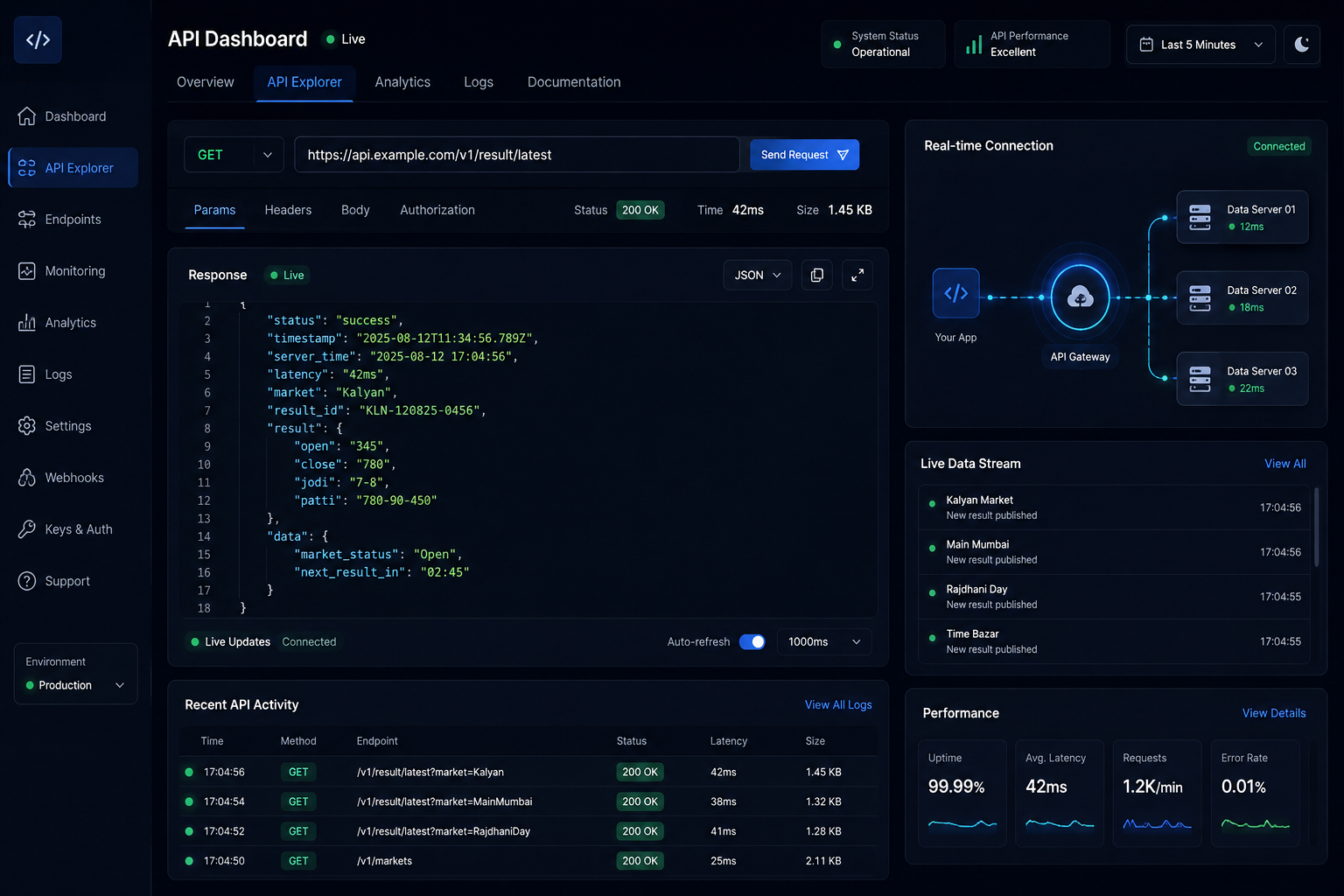
What Is a Real-Time Results API?
A real-time results API is a software interface that allows one application to receive updated results or data from another system.
Instead of manually collecting information and entering it into a website or application, developers can connect their software with an API.
The API then returns structured information, usually in formats such as JSON, which can easily be processed by websites, mobile apps and backend systems.
A simple workflow looks like this:
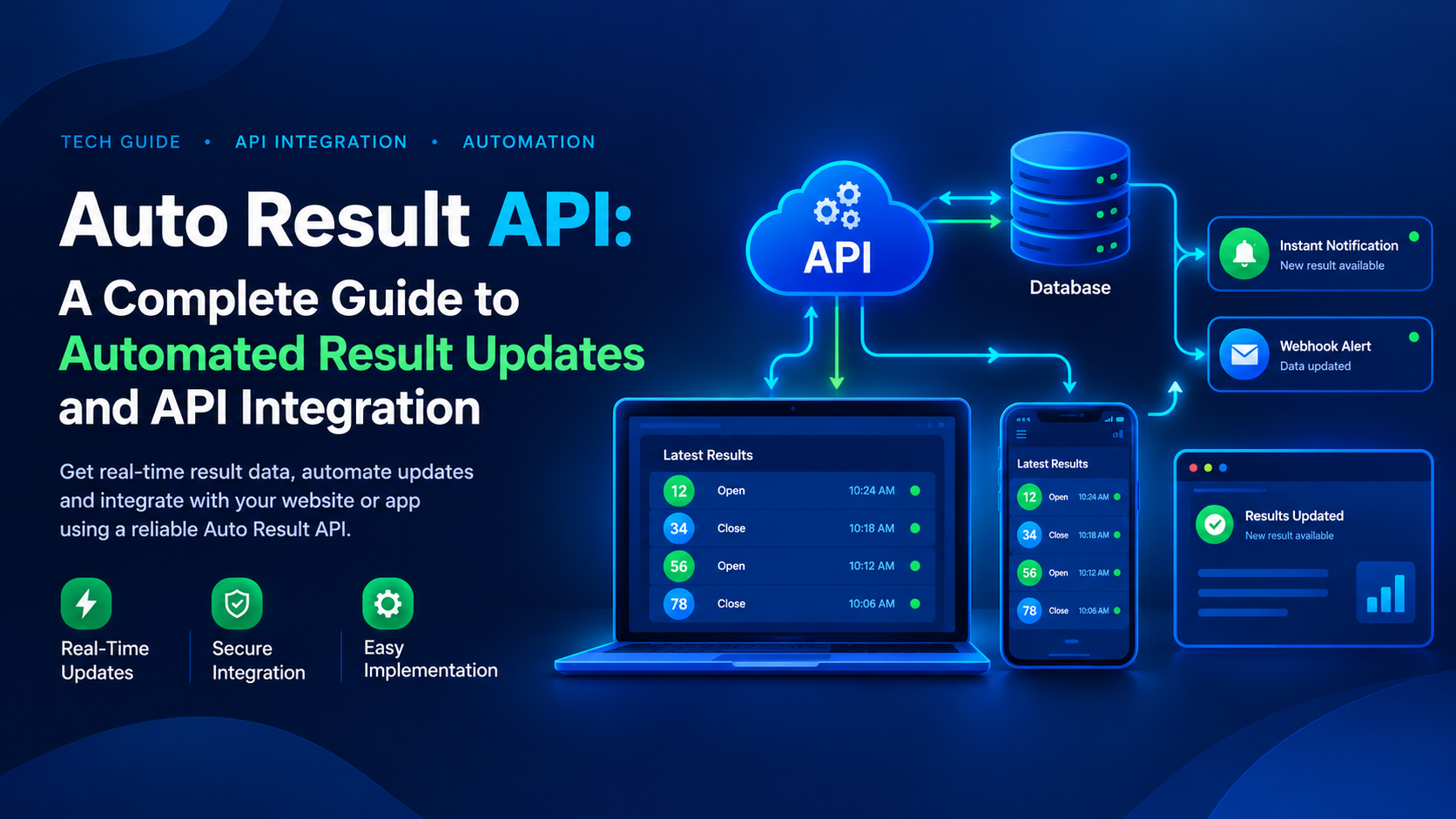
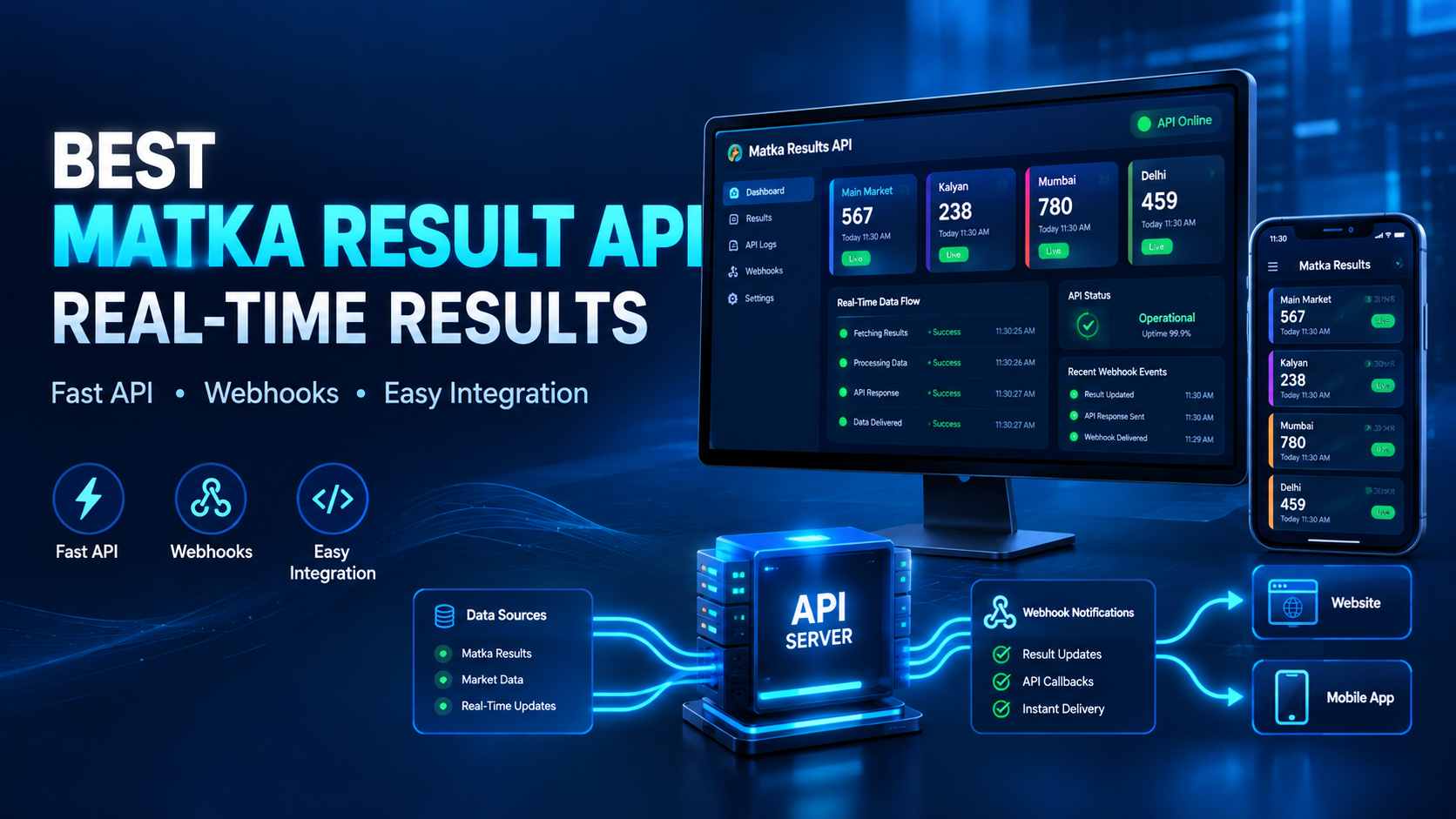
Data Source → API Server → Application → End User
When new information becomes available, the connected application can retrieve and display it automatically.
This approach saves development time and also reduces the chances of manual data-entry errors.
Why Data Verification Is Important
Speed is useful, but accuracy is even more important.
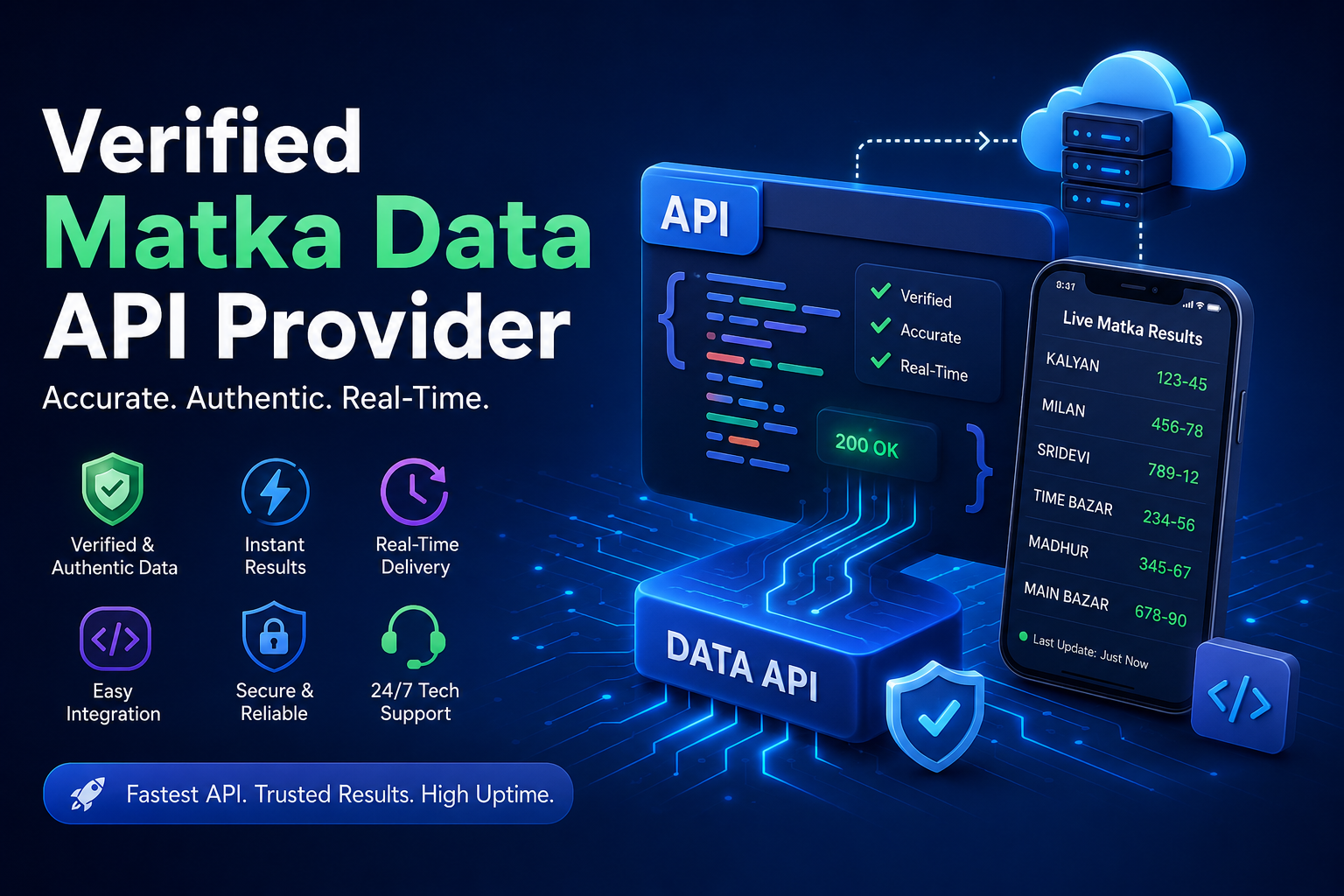
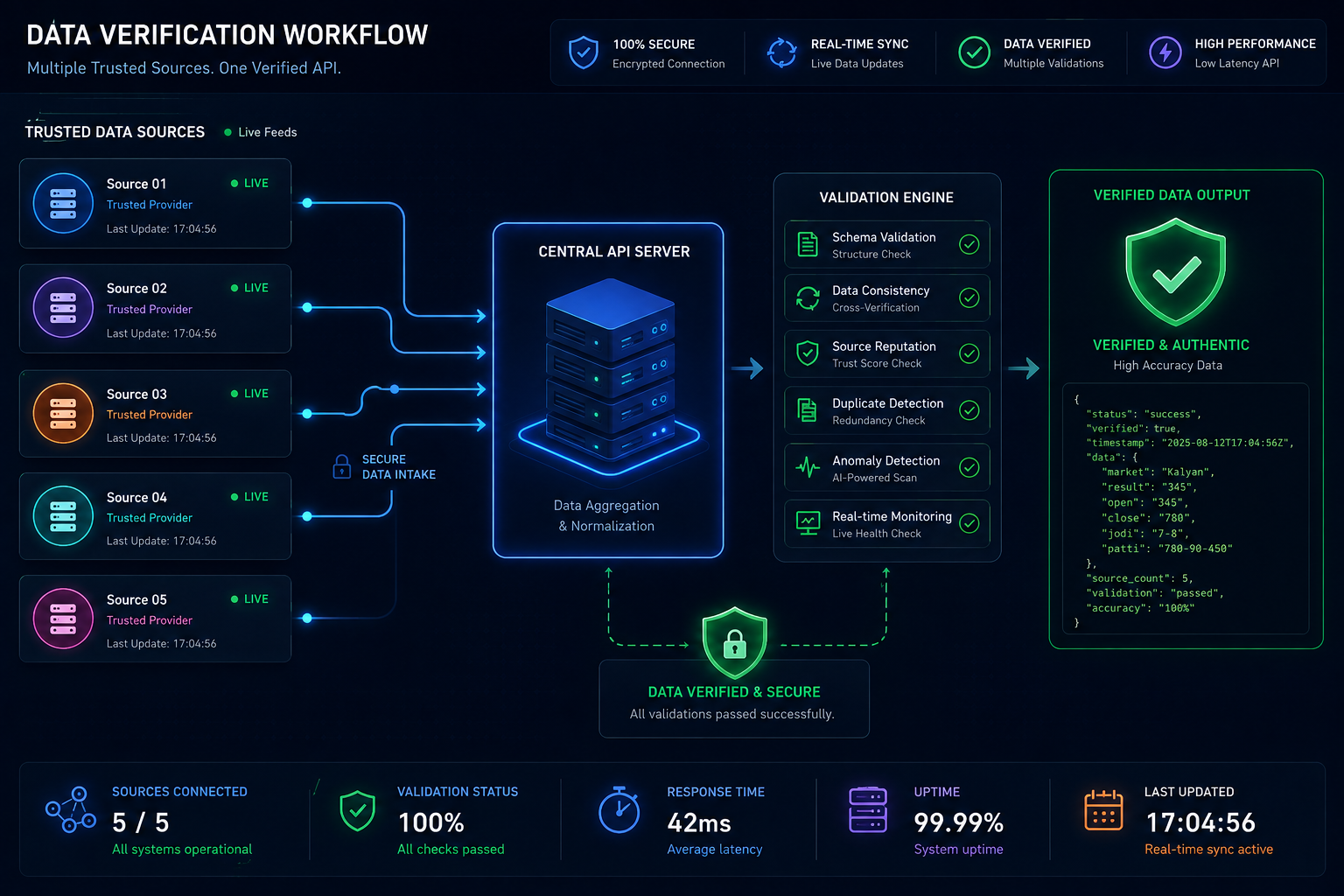
An API provider should have processes for collecting information from reliable sources, validating incoming data and delivering the processed information through a stable API infrastructure.
A properly designed verification system can include:
- Source validation
- Duplicate-data checking
- Response validation
- Timestamp verification
- Error monitoring
- Server-side data checks
- Continuous system monitoring
These processes help reduce incorrect or incomplete API responses.
For developers, this means they can build their applications around a more dependable data source instead of constantly checking information manually.
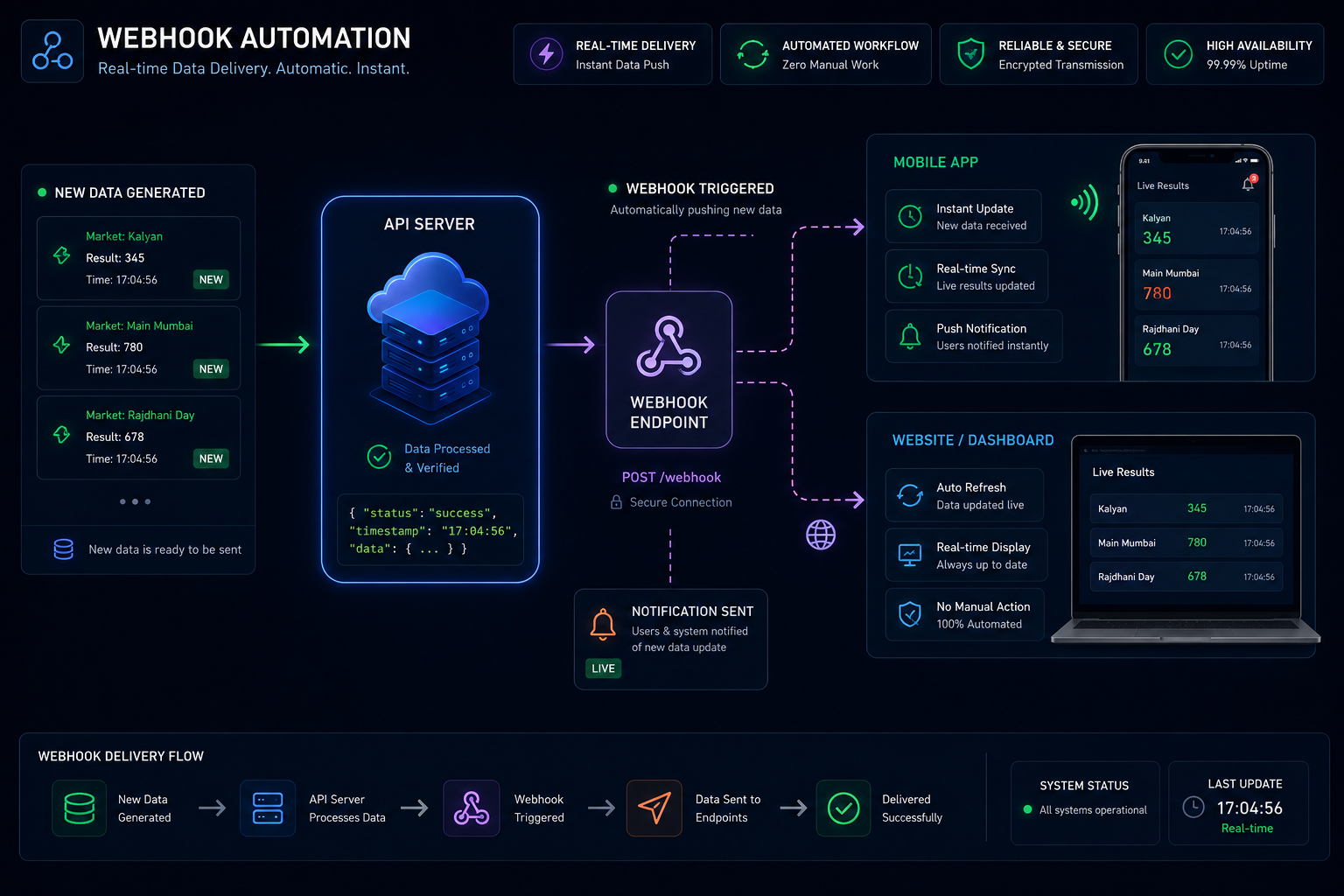
Real-Time Data Without Constant API Polling
One of the useful features in modern API infrastructure is webhook support.
Traditional API integration often works through polling. An application repeatedly sends requests such as:
"Is there any new data?"
If the application keeps making requests even when there is no update, it can increase server load and consume unnecessary resources.
With webhooks, the process is different.
When new information becomes available, the API server can automatically send the update to a predefined URL.
The basic workflow becomes:
New Data → API Detects Update → Webhook Triggered → Application Receives Data
This can make data delivery faster and reduce unnecessary API requests.
Easy API Integration for Developers
Another important factor when selecting an API provider is the integration experience.
Even a technically powerful API can become difficult to use if the documentation is confusing or incomplete.
Good API documentation should clearly explain:
- Authentication
- API endpoints
- Request parameters
- Response formats
- Error codes
- Rate limits
- Webhook configuration
- Example requests
- Example responses
- Integration steps
Developers should be able to understand the API without spending hours trying to figure out how individual endpoints work.
Providing examples in commonly used programming environments can make integration even easier.
For example, developers may use APIs with:
PHP | Laravel | Node.js | Python | Java | Android | iOS
depending on their application architecture.
API Security and Data Handling
When an application depends on external data, security should not be ignored.
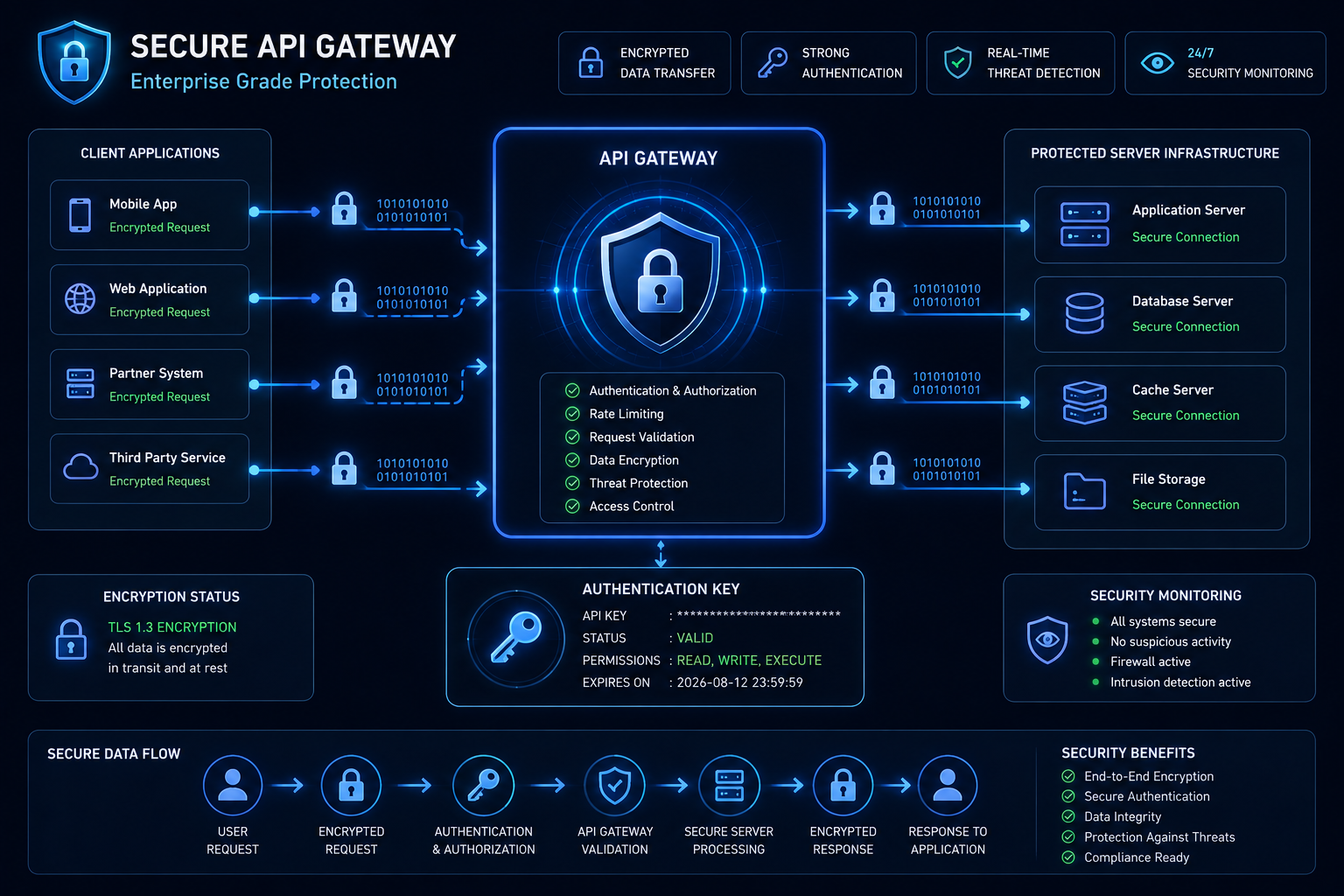
A professional API infrastructure should use appropriate security practices to protect API credentials, requests and data.
Some common security measures include:
- API authentication
- HTTPS encryption
- Access control
- Request validation
- Rate limiting
- Server monitoring
- Secure webhook verification
- Error logging
API keys should never be exposed unnecessarily in frontend code or publicly accessible repositories.
Developers should also follow secure practices when storing credentials and processing API responses.
High Uptime Matters for Real-Time Applications
If an application depends on an external API, downtime can directly affect the application experience.
For this reason, API uptime and infrastructure reliability are important factors when evaluating a provider.
A reliable infrastructure may include:
- Redundant servers
- Monitoring systems
- Automated alerts
- Backup infrastructure
- Performance monitoring
- Error tracking
- Traffic management
The goal is simple: keep the API available and responsive when applications need it.
Developers should also implement fallback handling on their own side so that temporary API failures do not completely break the user experience.
Affordable API Plans for Different Applications
Different software projects have different requirements.
A small application may need only a limited number of API requests, while a larger platform may require higher request limits and additional infrastructure support.
A flexible API pricing structure can therefore be useful.
Developers should compare plans based on factors such as:
- Number of API requests
- Data availability
- Webhook support
- Response speed
- Support availability
- Rate limits
- Documentation
- Technical assistance
Rather than selecting an API only because it is cheap, developers should consider the overall reliability and quality of the service.
Technical Support During Integration
API documentation is important, but technical support can also save a lot of time.
During integration, developers may face issues related to authentication, request parameters, webhook configuration, response parsing or server-side implementation.
A responsive technical support team can help developers identify these problems faster.
Good API support should ideally provide guidance regarding:
- API authentication
- Endpoint configuration
- Request formatting
- Response handling
- Webhook setup
- Error troubleshooting
- Production integration
This becomes particularly valuable for businesses that do not have a large in-house development team
How to Choose a Reliable Results API Provider
Before integrating any external API, developers should evaluate the provider carefully.
Here are some important questions to ask:
1. Is the data regularly updated?
Check how frequently the provider updates its data and whether timestamps are available.
2. Is the API stable?
Look for consistent response times, reliable infrastructure and documented rate limits.
3. Does it support webhooks?
Webhook support can be very useful for applications that require event-based updates.
4. Is documentation available?
Clear documentation can significantly reduce integration time.
5. Is the API secure?
Check whether HTTPS, authentication and appropriate access controls are supported.
6. Is technical support available?
A provider with integration assistance can make deployment much easier.
7. Can the API scale?
The provider should be capable of handling increasing traffic as your application grows.
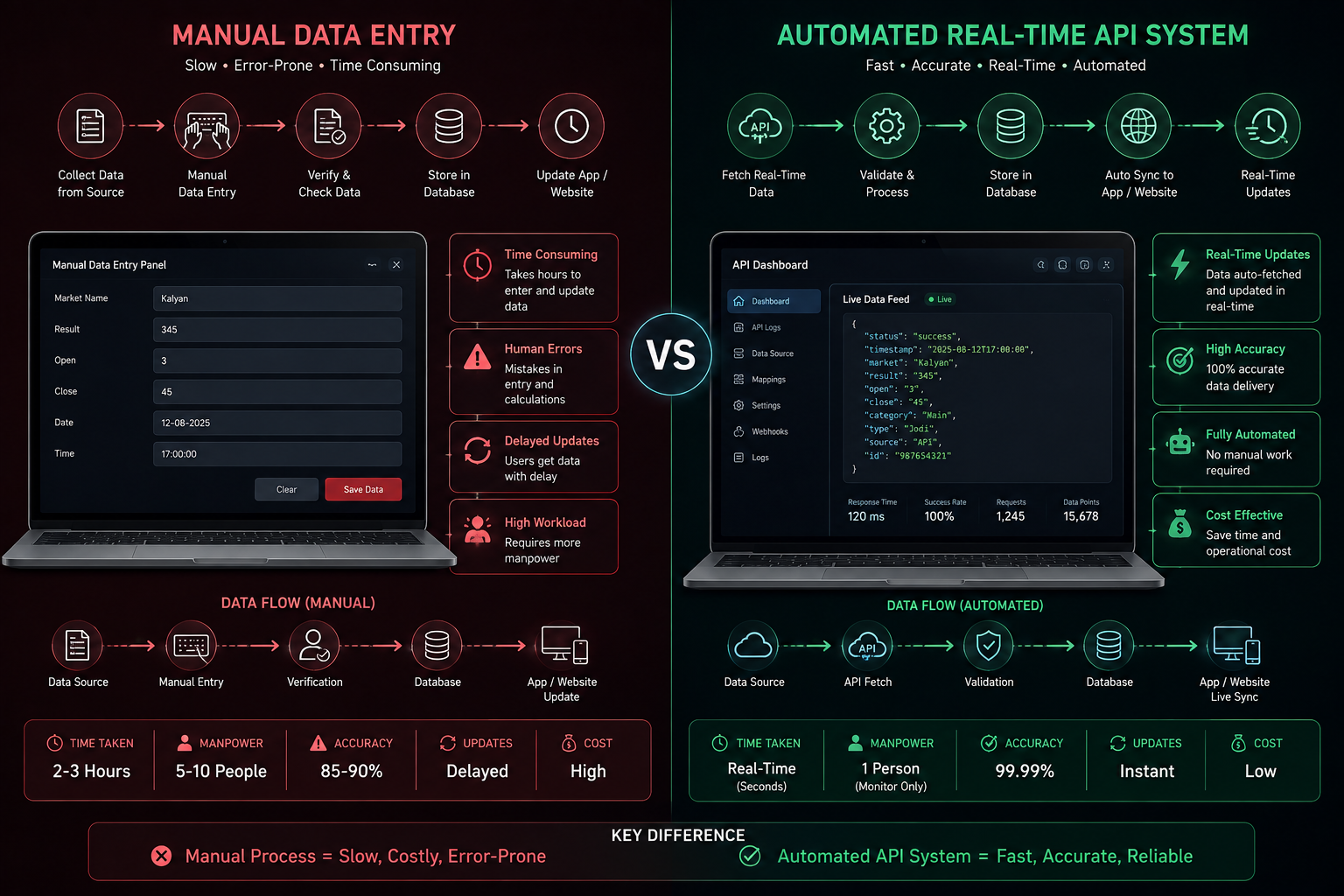
API vs Manual Data Management
Manual data management may appear simple at first, but it can become difficult as the amount and frequency of information increases.
| Feature | Manual Data | Real-Time API |
|---|---|---|
| Automation | Limited | High |
| Data Updates | Manual | Automated |
| Developer Effort | Higher | Lower |
| Scalability | Limited | Better |
| Webhook Support | No | Possible |
| Processing Speed | Slower | Faster |
| Error Risk | Higher | Lower with validation |
For applications that require frequent updates, API-based architecture can provide a more scalable approach.
Building a Better Data-Driven Application
A good API is only one part of the overall system.
Developers should also design their application architecture carefully.
A typical setup could look like:
Frontend → Backend → API Integration Layer → External Data API
The backend can process the incoming response before sending the required information to the frontend.
This approach provides additional control over:
- Authentication
- Caching
- Data validation
- Error handling
- Response formatting
- Logging
- Performance optimization
It can also prevent sensitive API credentials from being exposed directly to users.
Final Thoughts
Reliable real-time data is becoming increasingly important for modern software applications.
A good results API provider should focus on more than simply returning data. Accuracy, verification, uptime, security, documentation, webhook support and technical assistance all contribute to the overall quality of an API service.
For developers, choosing the right API infrastructure can reduce development effort and help create applications that deliver information quickly and consistently.
Before integrating any API, always evaluate its documentation, reliability, security practices, data sources and support options. A little research at the beginning can save considerable development time later.
In short: accurate data + reliable infrastructure + easy integration = a better API experience.
Frequently Asked Questions (FAQs)
What is a real-time results API?
A real-time results API is an interface that allows websites, mobile applications and other software systems to automatically receive updated data from an external API server.
Why is data verification important in an API?
Data verification helps reduce incorrect, duplicate or incomplete information. Reliable validation processes can improve the accuracy and consistency of data delivered to applications.
What is a webhook in an API?
A webhook allows an API server to automatically send updated information to an application's predefined URL when a specific event or update occurs. This can reduce the need for continuous API polling.
Is a results API difficult to integrate?
It depends on the API provider. An API with clear documentation, example requests, authentication instructions and technical support can make integration considerably easier for developers.
Which programming languages can work with a REST API?
REST APIs can generally be integrated with many programming languages and frameworks, including PHP, Laravel, Python, Node.js, Java and others, because they commonly communicate through HTTP requests and structured responses such as JSON.